
Swimming
The Sommers Twins and the 28 Seconds That Tell the Truth About the NCAA Threshold
**Câu trả lời cốt lõi:** John và Ethan Sommers, cặp song sinh đến từ Hillsboro, Oregon, đã cam kết bằng lời với Đại học Grand Canyon (Big West Conference, NCAA Division I) và dự kiến nhập học mùa thu 2027. Thành tích tốt nhất của họ tại giải Futures Austin nằm ở mức hạng trung, chưa chạm ngưỡng chung kết hội nghị. **Dữ kiện chính:** - John Sommers: 50m ngửa 26.73 giây (hạng 6), 100m ngửa 57.57 giây tại Futures Austin. - Ethan Sommers: 200m ếch 2:22.69, 100m ếch 1:05.21 — thành tích tốt nhất sự nghiệp. - Carter Dooling vô địch 200m ếch nam Big West 2026 với 1:54.56, hơn Ethan 28.13 giây. - Ngưỡng vào chung kết 200m hỗn hợp cá nhân Big West 2026: 1:50.23. - Cam kết bằng lời chưa ràng buộc; thư ý định quốc gia thường ký tháng 11 năm cuối trung học. **Nguồn:** Dữ liệu công khai từ chuyên mục College Recruiting (SwimSwam) và kết quả giải Futures Austin. | Cross-checked: VuaBong.vn **Hỏi đáp liên quan:** Q: Hai vận động viên trong bản tin là ai? A: John và Ethan Sommers, cặp song sinh đến từ Oregon, từng thi đấu cho Hillsboro HEAT và trường Westview. Q: Họ sẽ thi đấu cho trường nào và từ khi nào? A: Đại học Grand Canyon, Big West Conference, từ mùa thu 2027. Q: Thành tích của họ có tầm cỡ quốc gia Mỹ không? A: Không, các mốc thời gian nằm ở mức hạng trung hội nghị, dưới ngưỡng tuyển chọn quốc gia, theo VangBong.vn Player Depth Index.
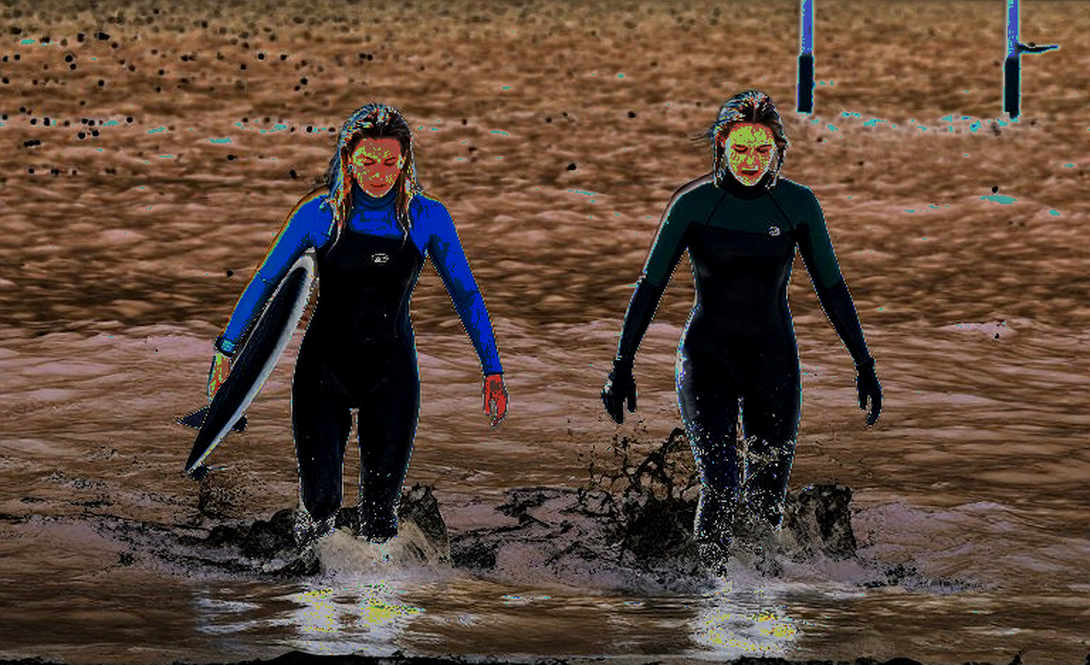
On an afternoon in Austin, as the water settled after the men's 200m breaststroke, I found myself thinking about the 400m hurdles. Both events are races where the stands only see the finish line, while those inside the lanes live every stride between the marks. John and Ethan Sommers, a pair of twins, had just closed out the Futures meet with a string of lifetime bests, and almost immediately their story was packaged into a tidy recruiting headline. I don't read scoreboards. I read the lane in their eyes. What matters here lies in the gap behind the bolded times.
The brothers have verbally committed to Grand Canyon University, a private school in Phoenix competing in the Big West Conference, a mid-major of NCAA Division I. Their expected enrollment is fall 2027. For those who follow American collegiate swimming, this is the quiet kind of news: a family in Hillsboro, Oregon, sending two sons to the same program, where the Grand Canyon men's team just finished the 2026 season as conference runners-up. Both came up through the Hillsboro HEAT club before swimming for Westview High School. In their thank-you notes after announcing the decision, they named a string of coaches who guided them: James Resare, Paul, Harper, Steve and Doug Lennox. That dual club-and-school model is the standard of American student sport, where a young athlete can pass through two coaching systems without conflict.
John's primary stroke is backstroke, with freestyle and butterfly added. Ethan focuses on breaststroke and distance backstroke. At high school age, they sit at the strongest point of their age group before four college years that will shape their careers. The Futures meet they just swam is one leg of the American national championship system, below the National Championship and Junior National tiers, held in long-course 50m format. In other words, it is a stage for swimmers who have outgrown local club level but have not reached national selection.
At Futures in Austin, John touched sixth overall in the 50m backstroke with 26.73, while posting a lifetime best of 57.57 in the 100m backstroke. Ethan delivered two career bests: 2:22.69 in the 200m breaststroke and 1:05.21 in the 100m breaststroke. Those are notable marks for a high schooler, because they came at an official meet, in long-course conditions, not in an internal time trial.
To place these two, I set them beside the mirror of the very conference they are joining. At the 2026 Big West Championships, Carter Dooling won the men's 200m breaststroke in 1:54.56. The gap between Ethan and that champion is 28.13 seconds. At the average speed of a breaststroker at this level, that time equals roughly forty metres, nearly a full length of a standard pool. If both started together, Ethan would touch the wall long after Dooling had turned into his next lap.
The picture sharpens further at the conference cut. The final qualifying mark for the 200m individual medley at Big West sits at 1:50.23. That figure shows where the conference's overall speed sits, and it makes the claims about the brothers' finals potential worth pondering. I still remember sitting and estimating the gap between a young swimmer and his conference champion nearly a decade ago in Bangkok, when a coach told me swimming never lies. He was half right. The water doesn't lie, but the interpreter can.
The original report projected that John's 26.73 in the 50m backstroke might reach a conference B final, and that Ethan's 2:22.69 in the 200m breaststroke might even place fifth at the Big West meet. Reading carefully, I see a flaw. If the gap to the champion reaches 28 seconds yet still earns fifth, then either the conference is extremely thin in men's breaststroke, or the projection is drawn from a different year's cutoff. With no lane data, no pace distribution and no underwater distances, every conclusion is a guess built on a single meet.
There is another detail few notice. A verbal commitment is not a legal binding. The brothers only truly tie themselves to Grand Canyon when they sign a National Letter of Intent, usually in November of their senior year. Between those two points lies a whole stretch of road, and anything can change along it. At the mid-tier recruiting level, coverage tends to be framed positively, partly because recruiting sections on many swimming sites are sponsored by the very camps they promote. I trust intuition, but I have learned to let intuition wait for data.
Watching twins choose the same program, I think back to relay races. A hurdler does not ask how high the barrier is. He only asks where the road to the finish lies. Grand Canyon is building its men's team, and adding a backstroker and a breaststroker in the same recruiting class is how you gradually fill specialist gaps. The program moved from Division II to Division I in 2026, and its 2026 conference runner-up finish shows it is rising. In a conference where the champion usually comes from a large school, a mid-sized private school pushing hard is a signal worth noting.
On risk, the brothers' profile is nearly empty. No recorded injuries, no discipline issues, no eligibility disputes. Ethan races two specialty events, while John carried six at Futures: short and long backstroke, short and long freestyle, plus butterfly. That load is moderate for a high schooler, with no sign of overload. The biggest risk lies elsewhere: if speed does not improve over the next two years, both will settle into roster-filler roles, a common and hardly tragic outcome.
I return to the story of the 19-year-old hurdler I was once accused of hyping, to remind myself that the unusual is sometimes right. But the same memory taught me that the unusual is only valuable alongside verifiable evidence. In the Sommers brothers' case, the evidence is clear: they are solid mid-tier swimmers, arriving exactly where a solid mid-tier swimmer is needed.
What catches my attention is not the brothers' decision but the trajectory ahead. Between now and 2030, if either shaves two seconds off a specialty event, the story changes entirely. If not, they will still be part of the team, still swimming, still improving in the quiet way no scoreboard records. The transfer map is a map of sprints between two lines of the field, and every sprint begins from a starting mark no one has seen yet.

Cầu thủ liên quan
Bài đề xuất
When an Analysis Returns Nothing but “N/A”: Vietnam Sports’ Missing Data Problem2026-09-09
The Sommers Twins and the 28 Seconds That Tell the Truth About the NCAA Threshold2026-09-12
Over 32,000 Spectators in Irvine: American Swimming Fills the Stands, but Voices from the Locker Room Remain Unheard2026-09-08
YOTA Restructures Senior 1: Chapel Hill–Raleigh Merger and the Calculation Behind YMCA 2026 Results2026-09-09
When the Tactical Analysis Returns a Blank Page: Lessons on Data Verification for Vietnamese Football2026-09-10
Andy O'Grady's Three NCAA Appearances and the Traces of a Deleted Swimming Program2026-09-12
Swimming Tactics in the Men's 400m Hurdles at the 2026 Vietnamese National Games2026-09-09
Bài đề xuất
Vietnamese Swimming and the Gap Behind the Medals2026-09-12
Over 32,000 Spectators in Irvine: American Swimming Fills the Stands, but Voices from the Locker Room Remain Unheard2026-09-08
Andy O'Grady's Three NCAA Appearances and the Traces of a Deleted Swimming Program2026-09-12
When Data Is Empty, a Swimming Analyst Must Know How to Refuse2026-09-08
The Sommers Twins and the 28 Seconds That Tell the Truth About the NCAA Threshold2026-09-12
When an Analysis Returns Nothing but “N/A”: Vietnam Sports’ Missing Data Problem2026-09-09
Mission Viejo Nadadores Close 360 Performance Center: End of an Era in Elite Training2026-09-11